Why it matters
Surviving the fourteen-day night.
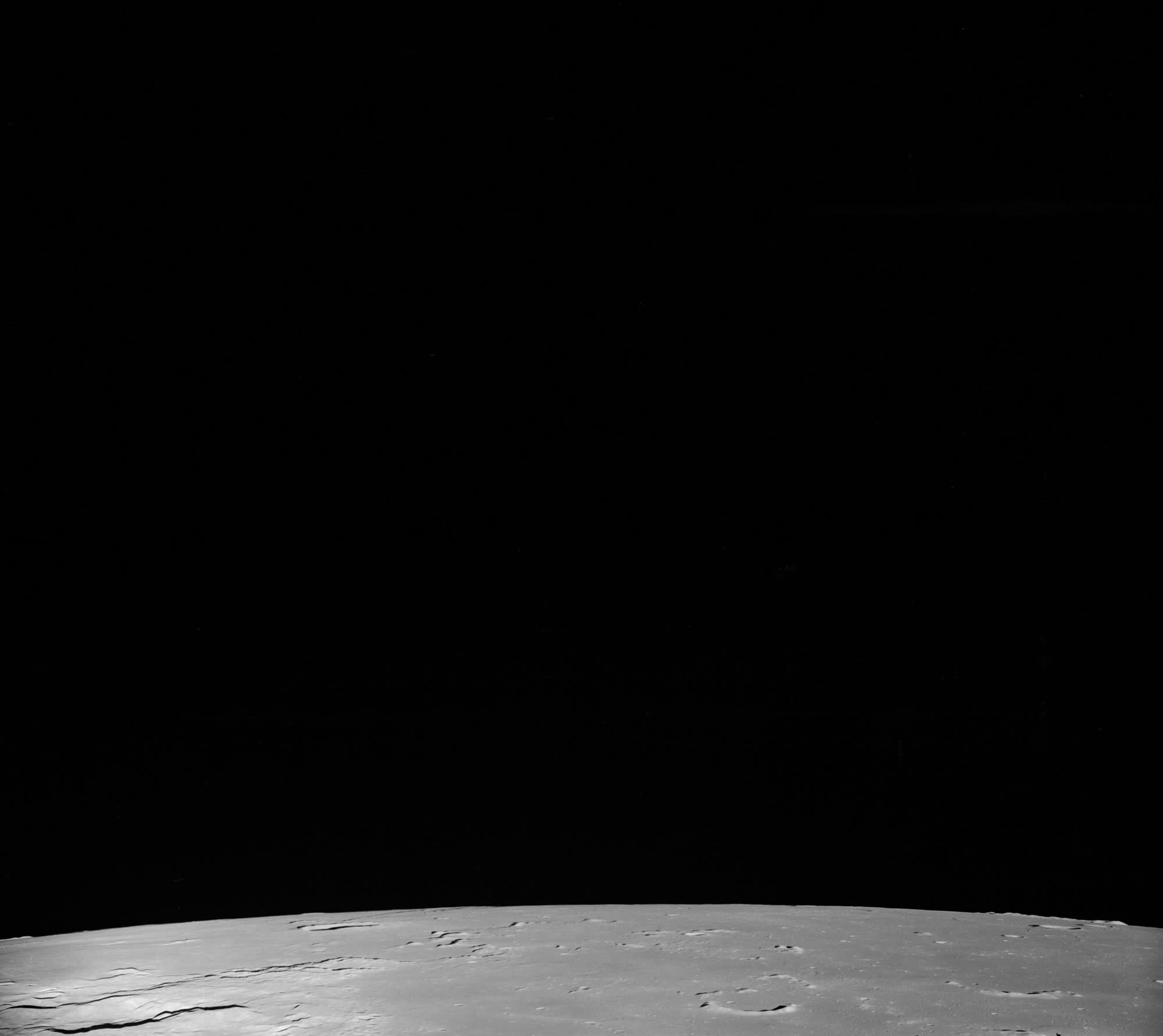
A lunar day lasts about two Earth weeks, and so does the night. Temperatures swing by hundreds of degrees. Anything that intends to stay must generate, store and distribute power through roughly 354 hours of darkness.
Power is the layer that decides whether hardware survives its first night. It is also the layer most likely to become a shared utility, sold to many customers rather than built once per mission.
Reliable power is the precondition for staying, not just arriving.
Inside this layer
6 building blocks
Generation
Solar arrays sized and oriented for the lunar day, including tall vertical arrays that chase the low polar sun.
Nuclear
Fission surface power for continuous baseload through the night and inside permanently shadowed regions.
Solar
Peaks of near-persistent light at the poles make some ridgelines unusually valuable real estate.
Storage
Batteries, regenerative fuel cells and thermal storage that bridge the night without prohibitive mass.
Conversion
Voltage regulation, thermal management and the power electronics that survive radiation and temperature extremes.
Distribution
Cabling, wireless power beaming and standardized interfaces so one generator can serve many customers.
Connect the stack
Dependencies
Rather than evaluating companies in isolation, we look for dependencies between infrastructure layers, and ask what must exist before the next layer can scale.
This layer depends on
This layer enables
Across every layer
Questions we are watching
Open questions
- Does lunar power become a utility business, and who is first to sell kilowatt-hours on the surface?
- How do surface nuclear timelines line up with the missions that assume the power will be there?
- What is the standard power interface, and who defines it?