The Opportunity
The Space Between Landing and Living
Landing on the Moon is not the same as operating there.
The opportunity
Landing is not living
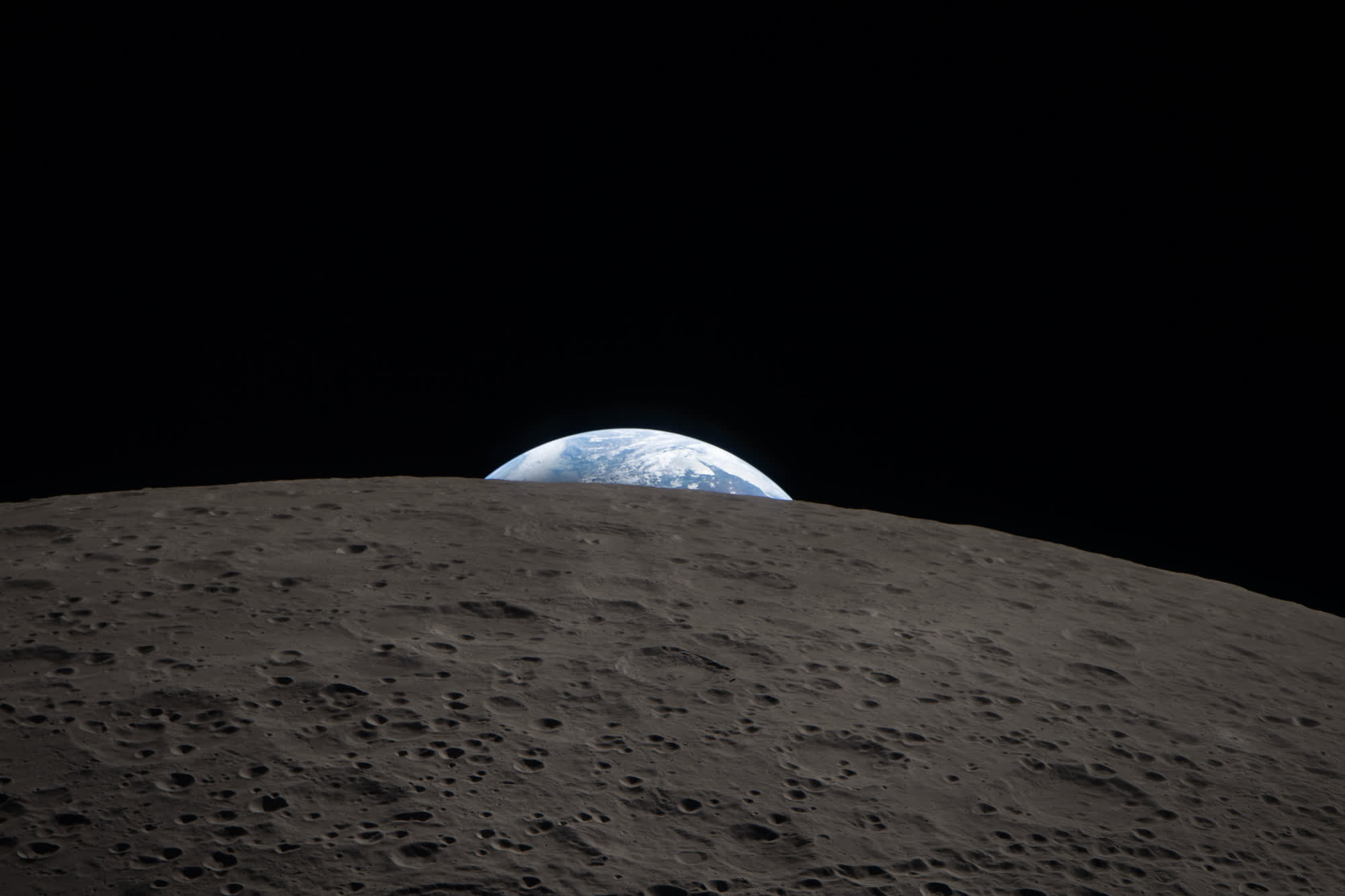
Humanity is returning to the Moon. The next challenge is not simply getting there. It is staying there.
Launch capability is advancing rapidly. NASA and commercial partners are preparing to deliver people, equipment and increasingly large amounts of cargo to the lunar surface.
But landing on the Moon is not the same as operating there. A permanent lunar presence requires an interconnected infrastructure ecosystem.
An interconnected infrastructure ecosystem
What a permanent lunar presence requires
Communications and PNT
Reliable communications, positioning, navigation and timing for people, vehicles, robots and equipment.
02Power
Generation, storage, distribution and resilient energy systems capable of operating through the extreme lunar environment.
03Mobility
Crewed and autonomous transportation connecting landing sites, habitats, science locations and infrastructure.
04Logistics
Moving equipment, supplies and resources from Earth to lunar orbit, to the surface and eventually between locations on the Moon.
05Autonomy & Robotics
Machines capable of constructing, inspecting, maintaining and operating infrastructure when humans are not present.
06Servicing & Maintenance
The systems required to keep increasingly valuable lunar assets functioning for years rather than individual missions.
07In-Situ Resource Utilization
Using lunar resources for construction, shielding, oxygen, water and eventually propellant and manufacturing.
These aren’t isolated technologies. Together, they form the operating infrastructure of a lunar economy.
Why now
From Missions to Infrastructure
The space economy is entering a transition.
For decades, the central challenge was reaching space. Increasing launch cadence, reusable transportation and growing commercial capabilities are beginning to change that equation.
The next constraint becomes infrastructure.
NASA’s Moon Base initiative envisions a phased progression toward sustained operations at the lunar South Pole. Power, communications and navigation, cargo transportation, logistics, mobility and habitation increasingly become shared infrastructure supporting multiple missions and users.
This creates a fundamentally different commercial opportunity.
Vencore Space Group is focused on the companies and technologies that become increasingly important as lunar activity increases.
A new infrastructure economy
Not one company. An ecosystem.
Permanent operations on the Moon will not be created by one company. They will emerge from an ecosystem.
- Launch companies will provide transportation.
- Landers will deliver cargo.
- Rovers will provide mobility.
- Power providers will supply energy.
- Communications networks will connect assets.
- Navigation systems will tell those assets where they are.
- Robots will construct and maintain infrastructure.
- Logistics networks will keep the entire system supplied.
- Resource companies will eventually begin using materials already present on the Moon.
The opportunity lies in understanding how those systems connect.
That is where Vencore Space Group operates.
Why Vencore
Erik Dyce
Founder, President & CEO
Infrastructure has been the common thread throughout Vencore’s history.
Vencore founder Erik Dyce brings more than four decades of experience operating complex public infrastructure and large-scale venues, combined with lifelong experience in communications, aviation, navigation and technical systems.
His background includes leadership of major public venues, commercial radio, aviation, amateur radio, marine operations and infrastructure management.
That operating perspective shapes Vencore Space Group’s approach to space.
The question isn’t simply: Can we get there?
It is: What has to work every day once we arrive?
The Vencore story
Founded in Colorado by Erik Dyce after decades in large-scale public venues and live-event operations. VENues at the CORE.
Expansion into marine operations. A second chapter of building and operating the systems everything else depends on.
An operator’s perspective applied to the infrastructure between landing and living.
From Earth to the Moon — and beyond
The Moon is the beginning.
The infrastructure required to establish permanent lunar operations will create technologies, operating experience and commercial capabilities applicable far beyond the lunar surface.
Communications · Navigation · Power · Autonomy · Logistics · Resource utilization
These are not simply lunar technologies.
They are the foundational infrastructure of a spacefaring civilization.